How to Boost Your Immune System Naturally: Tips and Insights
Your immune system works around the clock, quietly identifying and neutralising threats before you even notice them. But it isn't invincible: poor sleep, chronic stress, unbalanced nutrition and sedentary habits can all blunt its response. The good news is that a handful of consistent, evidence-backed habits can make a measurable difference.
1. Prioritise sleep, not just hours in bed
During deep sleep, your body produces and releases cytokines, proteins that help direct immune responses and fight inflammation and infection. Adults who sleep fewer than six hours a night are significantly more susceptible to common infections than those who get seven or more. Consistency matters as much as duration: going to bed and waking up at the same time each day helps regulate the immune system's internal clock.
2. Feed your gut, not just your appetite
Roughly 70% of your immune tissue sits in and around the gut. A diet rich in fibre, fermented foods and diverse plant sources supports a healthy microbiome, which in turn trains and regulates immune cells. Chronic gut imbalance is increasingly linked to systemic inflammation, so digestive health and immune health should really be thought of as one system, not two.
3. Close common micronutrient gaps
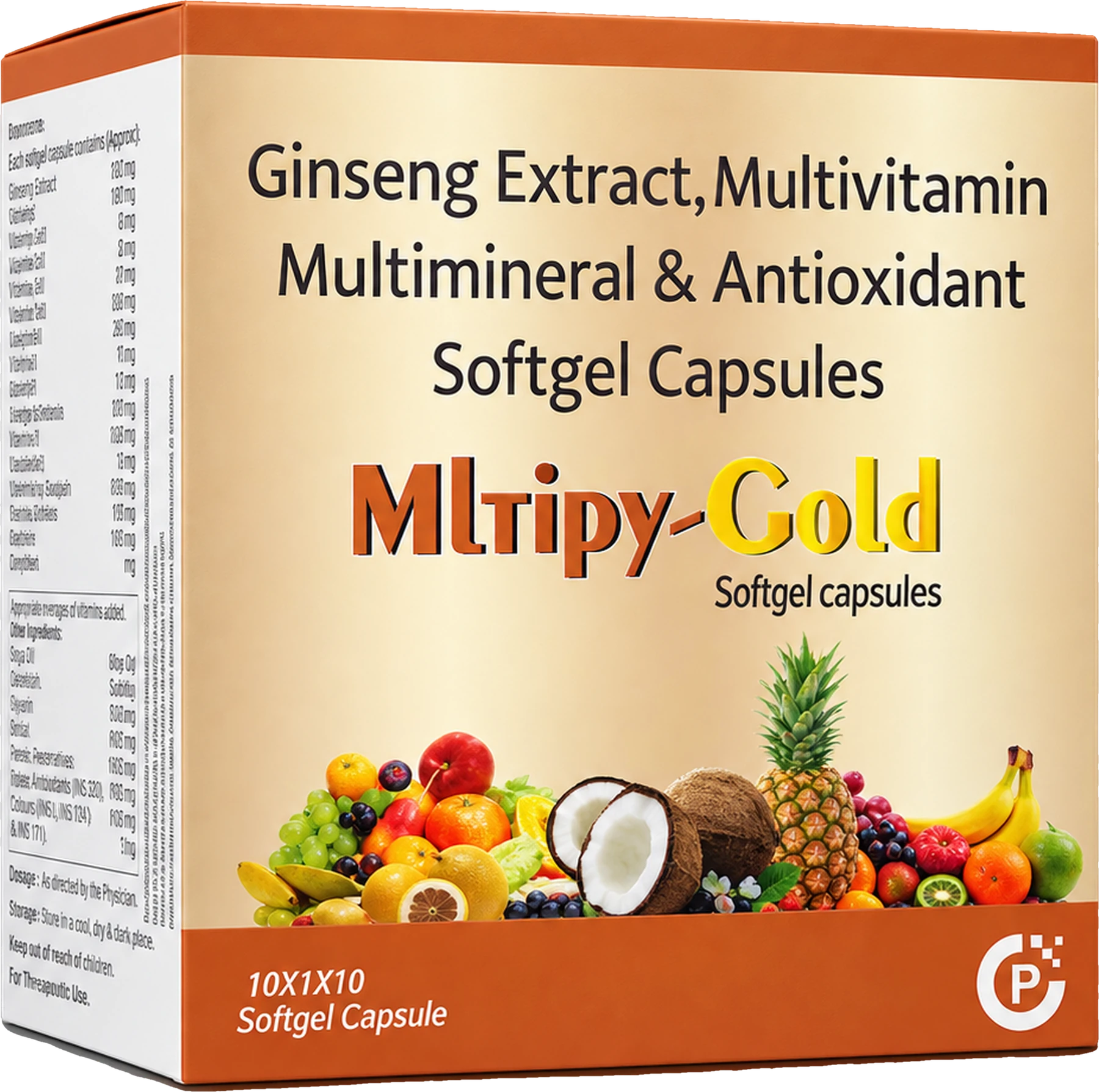
Even a well-intentioned diet can fall short on key immune-supporting nutrients, including Vitamin C, Zinc, Vitamin D and antioxidant compounds like ginseng and green tea catechins. This is where a well-formulated daily multivitamin can help bridge the gap between what you eat and what your body actually needs. Our MLTIPY Gold Softgel Capsules combine Ginseng with a broad multivitamin-antioxidant base for daily energy and immune support, while MLTIPY-9G Capsules layer in a nine-ingredient herbal-antioxidant blend for more comprehensive cellular protection.
4. Move regularly, but don't overdo it
Moderate, regular exercise, such as brisk walking, cycling or light strength training, improves circulation, allowing immune cells to travel through the body more efficiently. Extremely intense training without adequate recovery can temporarily suppress immune function, so balance is key.
5. Manage stress deliberately
Chronic stress elevates cortisol, which over time can suppress the very immune responses your body needs most. Simple daily practices, such as a short walk, breathing exercises, or even ten minutes of quiet time, measurably lower stress hormone levels.
None of these habits work in isolation. Sleep, nutrition, movement and stress management reinforce one another, and small, sustained changes tend to outperform dramatic short-term efforts. If you're consistently unwell, fatigued, or unsure which nutritional gaps you may have, it's always worth speaking to a qualified healthcare professional before starting any new supplement.