Bone Health 101: Why Calcium and Vitamin D3 Work Better Together
Calcium gets most of the credit for strong bones, but calcium on its own is only part of the story. Without the right supporting nutrients, a significant share of dietary or supplemental calcium is poorly absorbed, which is why bone health formulations have evolved well beyond a single mineral.
The role of Vitamin D3
Vitamin D3 is what allows your intestines to actually absorb calcium from your diet. Without adequate D3, even a calcium-rich diet can leave you deficient, which is a major reason Vitamin D deficiency is now recognised as extremely widespread, even in sunny climates, largely due to indoor lifestyles and sunscreen use.
Magnesium and Zinc: the overlooked co-factors
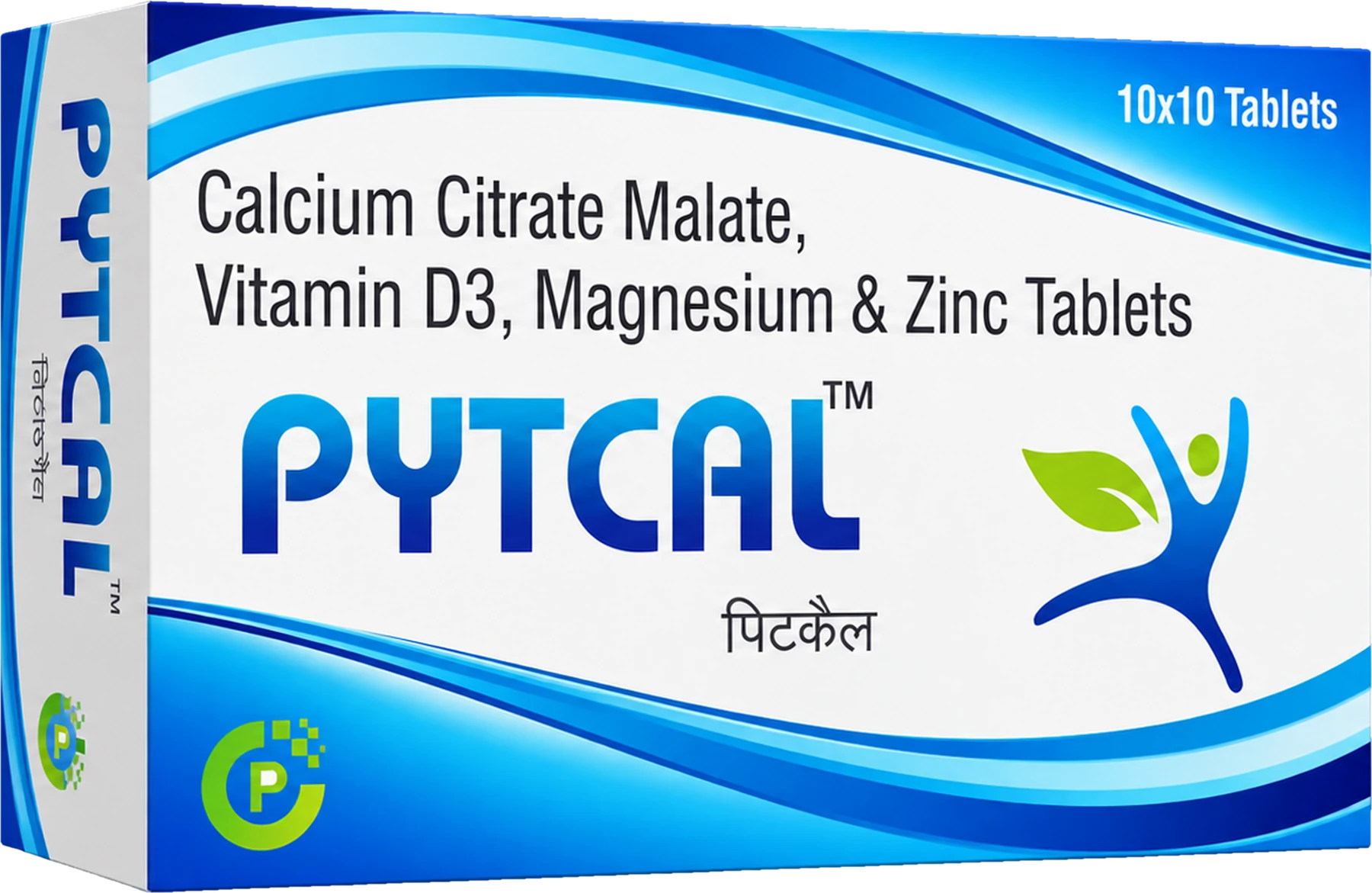
Magnesium helps convert Vitamin D into its active form and plays a direct structural role in bone mineral density. Zinc supports the cells responsible for building new bone tissue. This is the reasoning behind formulations like our Pytcal Forte Syrup, which combines Calcium, Magnesium, Zinc and Vitamin D3 in a single sugar-free suspension, rather than relying on calcium alone.
Vitamin K2-7: directing calcium to where it belongs
A more recent, and increasingly important, piece of the puzzle is Vitamin K2-7, which activates proteins that guide calcium into bone tissue rather than allowing it to accumulate in arteries and soft tissue. Our Pytcal K27 Softgel combines Calcium, Calcitriol (the active form of Vitamin D), Vitamin K2-7 and B12 specifically to support this more complete absorption pathway.
When a high-dose correction is needed
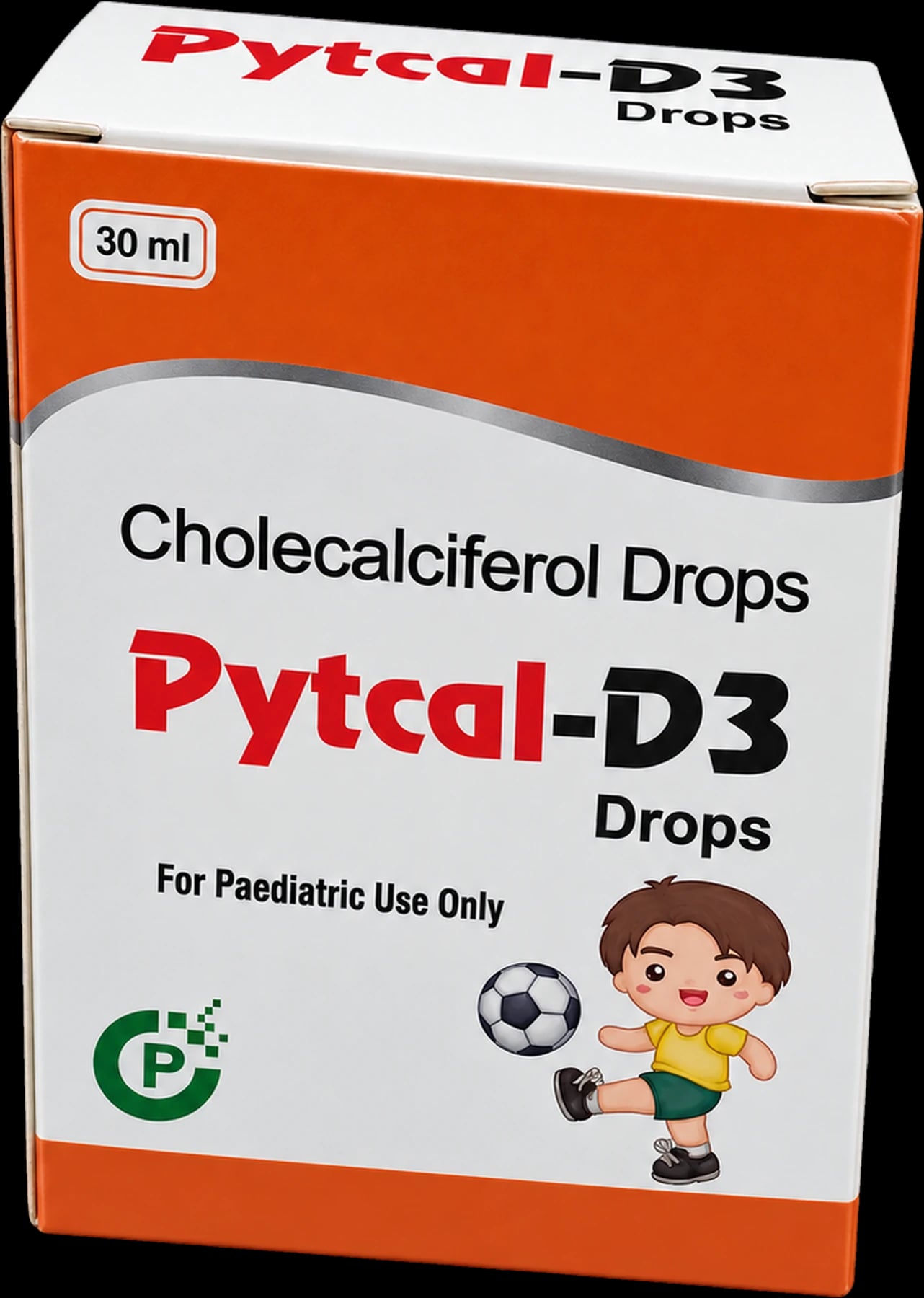
For individuals with a confirmed, significant Vitamin D deficiency, doctors often recommend a short course of high-dose Vitamin D3, such as our Pytcal-D3 Shots at 60,000 IU, to correct levels quickly before shifting to daily maintenance doses.
Bone density built in your 20s and 30s is the foundation you draw on for the rest of your life, but it's never too late to support it. Combined with weight-bearing exercise and adequate protein intake, the right calcium and Vitamin D3 formulation, matched to your specific needs, makes a measurable long-term difference. As always, blood tests are the most reliable way to identify an actual deficiency before starting supplementation.