Common Digestive Issues: Causes, Symptoms, and Solutions
Bloating, acidity, irregular bowel movements and general discomfort after meals are among the most common health complaints, and among the most under-discussed. Most of these issues fall into a small number of recognisable patterns, each with a fairly clear underlying cause.
Indigestion and poor enzyme activity
Feeling uncomfortably full, gassy or sluggish soon after eating often points to insufficient digestive enzyme activity: your body isn't breaking down carbohydrates, proteins and fats efficiently. This tends to worsen with age, irregular eating patterns, and diets low in whole foods. Enzyme-support formulations such as our Pytozyme Syrup, which combines Diastase and Pepsin with a B-vitamin complex, are formulated specifically to aid this breakdown and improve appetite.
Gut flora imbalance
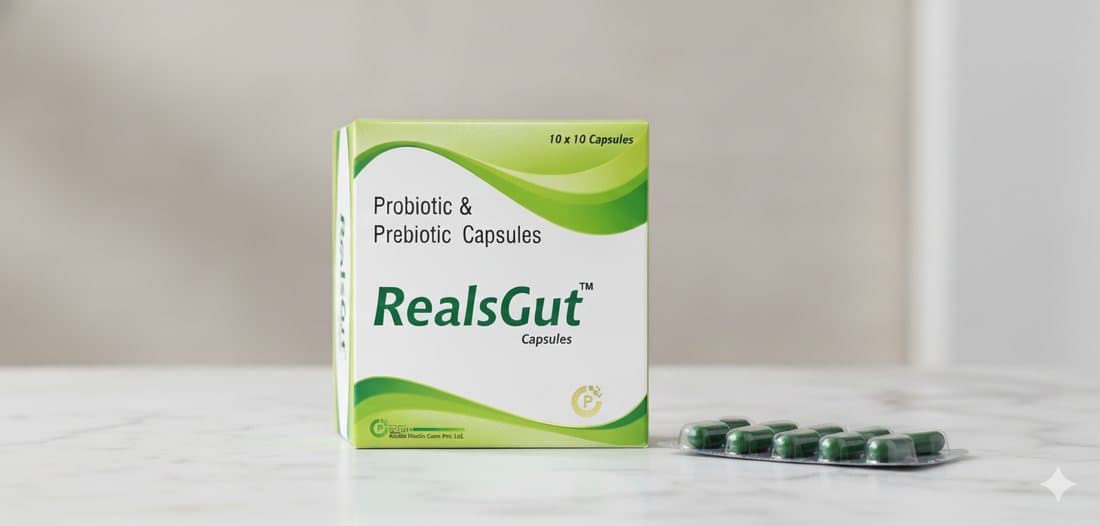
Your gut hosts trillions of bacteria that influence everything from digestion to immunity and even mood. Antibiotic courses, low-fibre diets, and chronic stress can all disrupt this balance, leading to bloating, irregularity and increased sensitivity to certain foods. Restoring the balance usually means combining prebiotics (which feed beneficial bacteria) with probiotics (live beneficial cultures), the approach behind our RealsGut Capsules and RealsGut Sachets, the latter formulated as a convenient, zinc-fortified single-dose sachet.
Acidity and reflux
Occasional acid reflux is normal, but frequent heartburn, a sour taste, or discomfort after meals may indicate excess acid production or a weakened lower oesophageal sphincter. Lifestyle measures such as smaller meals, avoiding lying down right after eating, and reducing caffeine can help, and for more persistent cases, a physician may recommend a proton-pump inhibitor such as Pantoprazole, as combined with Domperidone in our Pydom-P Capsules.
Infant and childhood digestive discomfort
Colic, gas and appetite issues are extremely common in infants and young children, whose digestive systems are still developing. Gentle, carminative formulations, like our Pytozyme Drops, are designed specifically for this age group, using an easy dropper format for accurate, low-stress dosing.
When to see a doctor
Occasional digestive discomfort is normal. Persistent pain, unexplained weight loss, blood in stool, or symptoms lasting more than two to three weeks warrant a medical consultation rather than self-treatment. Most everyday digestive issues, however, respond well to a combination of dietary awareness, consistent habits and the right enzyme or probiotic support.