Why Liver Health Deserves Daily Attention, Not Just Damage Control
The liver is one of the few organs that works continuously without ever announcing itself, filtering toxins, metabolising nutrients, producing bile for digestion and regulating everything from blood sugar to hormone balance. Because it rarely causes noticeable symptoms until damage is significant, liver health tends to get attention only after a problem shows up on a blood test.
What puts everyday strain on the liver
- A diet high in processed food, sugar and fried food
- Regular alcohol consumption
- Long-term use of certain medications
- Exposure to air pollution and environmental toxins
- Being overweight, which is linked to fatty liver even without alcohol
None of these need to be extreme to matter. Fatty liver disease, once considered rare outside heavy drinkers, is now increasingly common even in people who don't drink, largely linked to diet and sedentary lifestyles.
Early signs worth paying attention to
Because the liver has significant reserve capacity, early symptoms are often vague: persistent fatigue, mild digestive discomfort after fatty meals, occasional nausea, or a dull ache under the right ribs. These are easy to dismiss, which is exactly why proactive support matters more than waiting for a diagnosis.
What actually supports liver function
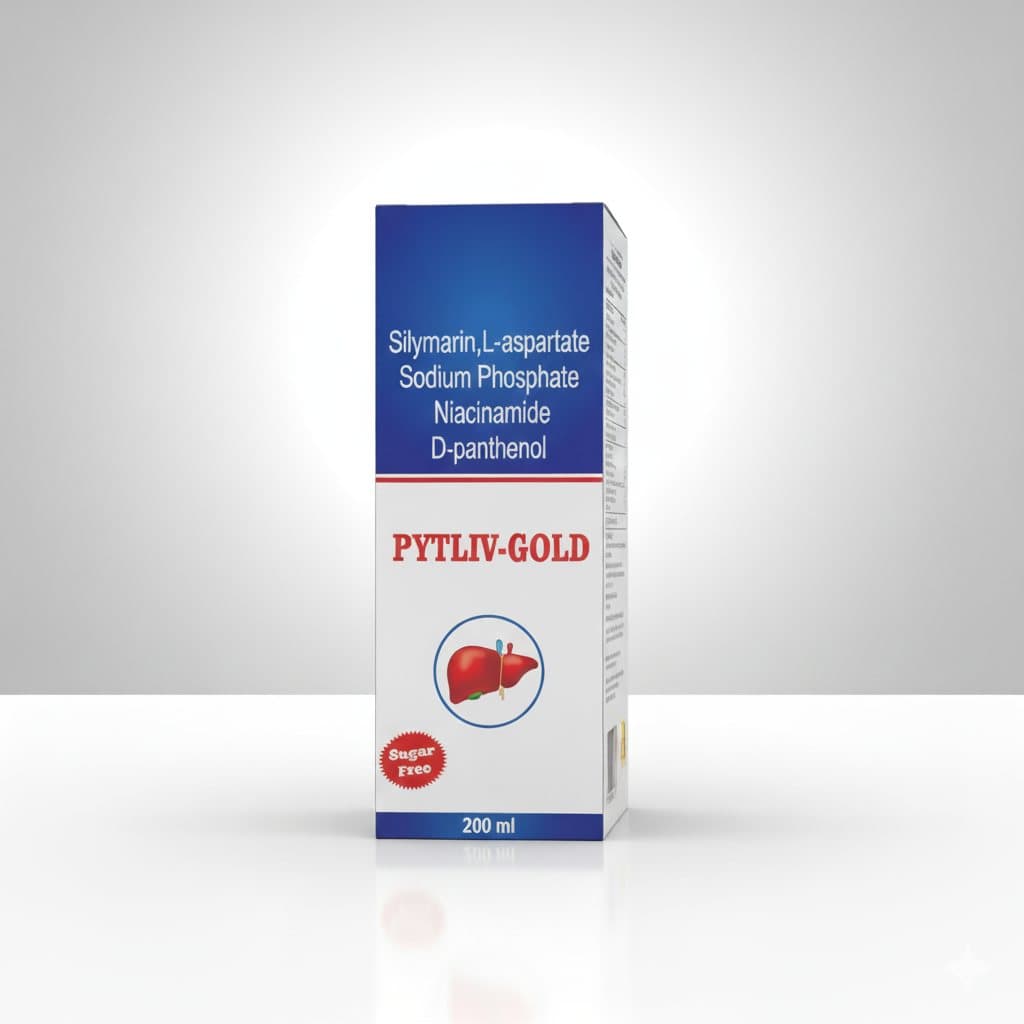
Silymarin, an extract from milk thistle, is one of the most researched compounds for liver support. It's believed to help stabilise liver cell membranes and support the liver's natural regeneration process. This is the basis for our Pytliv-Gold Syrup, a sugar-free formulation combining Silymarin with L-Aspartate and B-vitamins, designed for daily use rather than only during a health scare.
For those who prefer a fully herbal approach, our Pytliv-DS Syrup takes a traditional botanical route, supporting digestion and liver function using time-tested Ayurvedic ingredients rather than a single isolated compound.
Simple daily habits that help
- Staying hydrated throughout the day
- Limiting fried and ultra-processed food
- Moderating alcohol intake
- Maintaining a healthy body weight
- Getting a liver function test periodically if you're over 40 or on long-term medication
Liver health is rarely about one dramatic fix. It responds well to consistent, unglamorous habits, supported where useful by a well-formulated tonic, and it's always worth a proper diagnosis rather than self-treating persistent symptoms.